
Global-Ready Aviation Curriculum: How Modern Institutes Prepare Students for International Standards
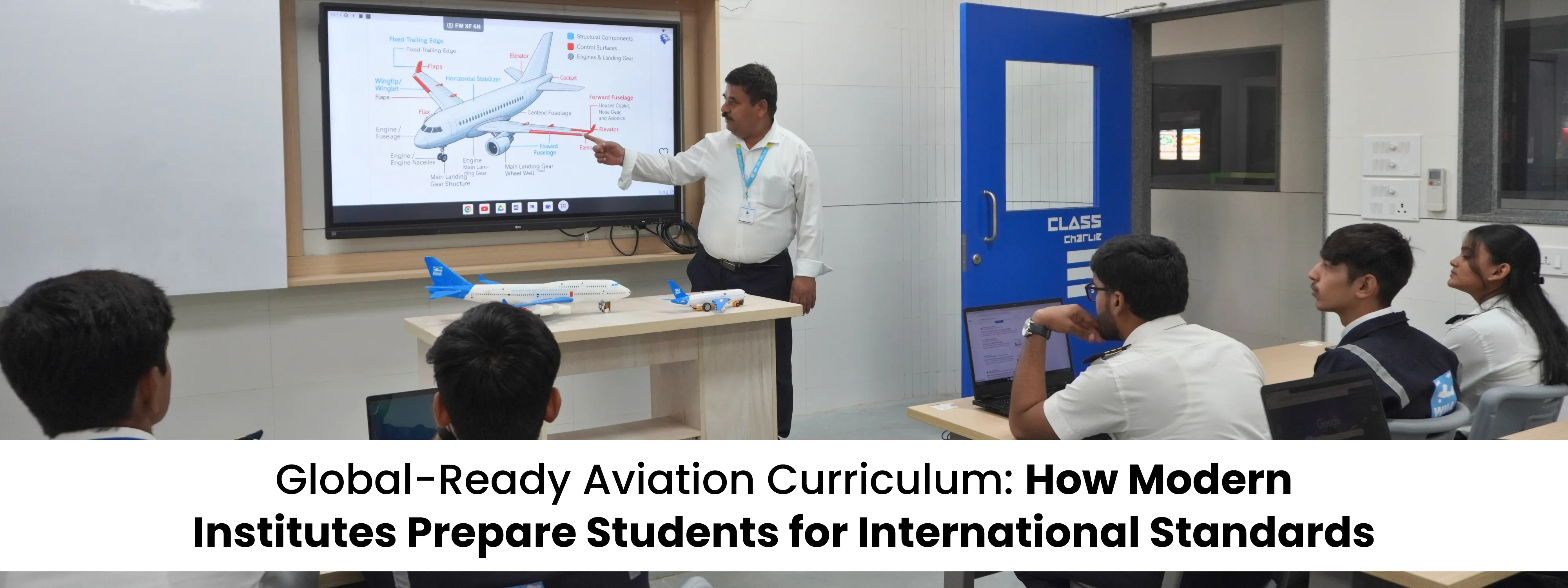
The aviation industry operates on a global platform where safety, technology, and precision play the most important roles. As air travel continues to expand worldwide, the responsibilities of aviation professionals have become more demanding and more interconnected. To meet these expectations, aviation institutes today have transformed the way they design their curriculum. They focus on shaping students into skilled, globally competent professionals who can work confidently in any part of the world. A global-ready curriculum is not just a collection of technical subjects. It is a holistic learning structure that integrates practical training, international regulations, modern technology, and industry exposure to prepare future engineers and maintenance professionals for an evolving aviation landscape.
A Curriculum Aligned With Global Standards
One of the strongest features of a modern aviation curriculum is its alignment with international aviation authorities and regulatory bodies. Aviation is an industry where countries follow common safety procedures and engineering practices. Institutes design their programs to match these global standards so that graduates can adapt to international workplaces without difficulty. Students learn about worldwide regulations, maintenance protocols, inspection practices, and the foundational principles that govern the aviation sector across borders.
This alignment ensures that the knowledge and skills students gain remain relevant in every region where aviation is practiced. Whether they work with international airlines, aircraft manufacturers, or global maintenance organisations, they are familiar with the requirements and expectations that the industry demands.
A Strong Foundation in Core Aviation Subjects
The heart of any aviation program lies in the technical subjects that shape a student’s understanding of aircraft systems and aviation technology. Modern institutes provide a curriculum that covers aerodynamics, aircraft structures, propulsion systems, avionics, digital systems, materials used in aircraft, and various safety practices. These subjects give students the confidence to understand how aircraft operate and how to troubleshoot problems that may arise during real-world operations.
What makes the curriculum effective is that it does not teach these subjects in isolation. Each concept is connected to real applications so students can see how theories translate into everyday aviation tasks. This approach helps them develop analytical skills, accuracy, and a deeper understanding of technical operations.
Practical Training That Mirrors Real Aviation Environments
A global-ready aviation curriculum goes far beyond classroom teaching. Practical training is one of its most important pillars. Students spend time in workshops, laboratories, and aircraft maintenance environments where they learn to apply what they studied in theory. They handle tools, examine aircraft components, participate in inspections, and observe how professional engineers work in live conditions.
Many institutes use modern simulators, engine mockups, digital diagnostic systems, and training aircraft to give students authentic exposure. This hands-on learning prepares them for the pace and precision that the aviation industry expects. It helps them develop critical thinking, problem solving abilities, and confidence when working around real aircraft.
Focus on Safety and Regulatory Knowledge
Aviation is one of the safest modes of transportation in the world, and this level of safety is possible because of strict rules and procedures followed globally. Modern aviation programs make safety training a core part of the curriculum. Students learn aircraft safety protocols, maintenance regulations, human factors in aviation, risk management, and quality assurance practices.
Understanding global safety requirements prepares students for the serious responsibilities they will take on in their careers. It also ensures that they understand why accuracy, discipline, and attention to detail are essential qualities for every aviation professional.
Training in Modern Tools and Digital Technologies
Today’s aviation industry relies heavily on advanced technology. From digital flight systems to smart aircraft sensors and computer guided maintenance tools, every part of aviation is becoming more technology driven. A modern curriculum includes training that helps students become comfortable with these technologies. They learn about aircraft software, digital troubleshooting systems, modern inspection devices, and the latest updates in aviation engineering.
This exposure ensures that students are not left behind as the industry upgrades its technology. Instead, they become skilled professionals who can adapt easily to new tools and systems in international aviation workplaces.
Industry Exposure and Real Experience
Many aviation institutes today collaborate with airlines, aircraft maintenance companies, and aviation organisations to give students direct experience in the field. This industry exposure forms an important part of the global-ready curriculum. Students may visit hangars, join workshops, participate in internship programs, or observe live maintenance operations. These experiences help them understand the work culture, challenges, and expectations of the aviation industry.
Industry exposure also helps students build confidence and prepares them for smooth transitions from their academic training to professional roles.
Soft Skills That Support Global Careers
The aviation sector does not rely on technical skills alone. Communication, teamwork, adaptability, and problem solving are equally important. A global-ready curriculum includes sessions and activities that focus on these soft skills. Students learn how to communicate clearly with colleagues, how to work in multicultural teams, and how to manage situations calmly in high pressure environments.
These skills make them well rounded professionals who can contribute effectively to international aviation settings.
Preparing Students for a Future Focused on Innovation
Innovation is at the core of aviation. New aircraft models, environmental initiatives, drones, electric propulsion systems, and digital aviation are becoming key areas of global research. Modern institutes introduce students to these trends so they can stay ahead of future developments. By understanding how aviation is evolving, students can expand their career possibilities and prepare themselves for new fields that may emerge over the next decade.
A global-ready aviation curriculum shapes students into confident professionals who understand not only the technical aspects of aviation but also the international standards that guide the industry. With strong fundamentals, hands-on training, advanced technological exposure, and a deep focus on safety, modern institutes ensure that their graduates can succeed anywhere in the world.